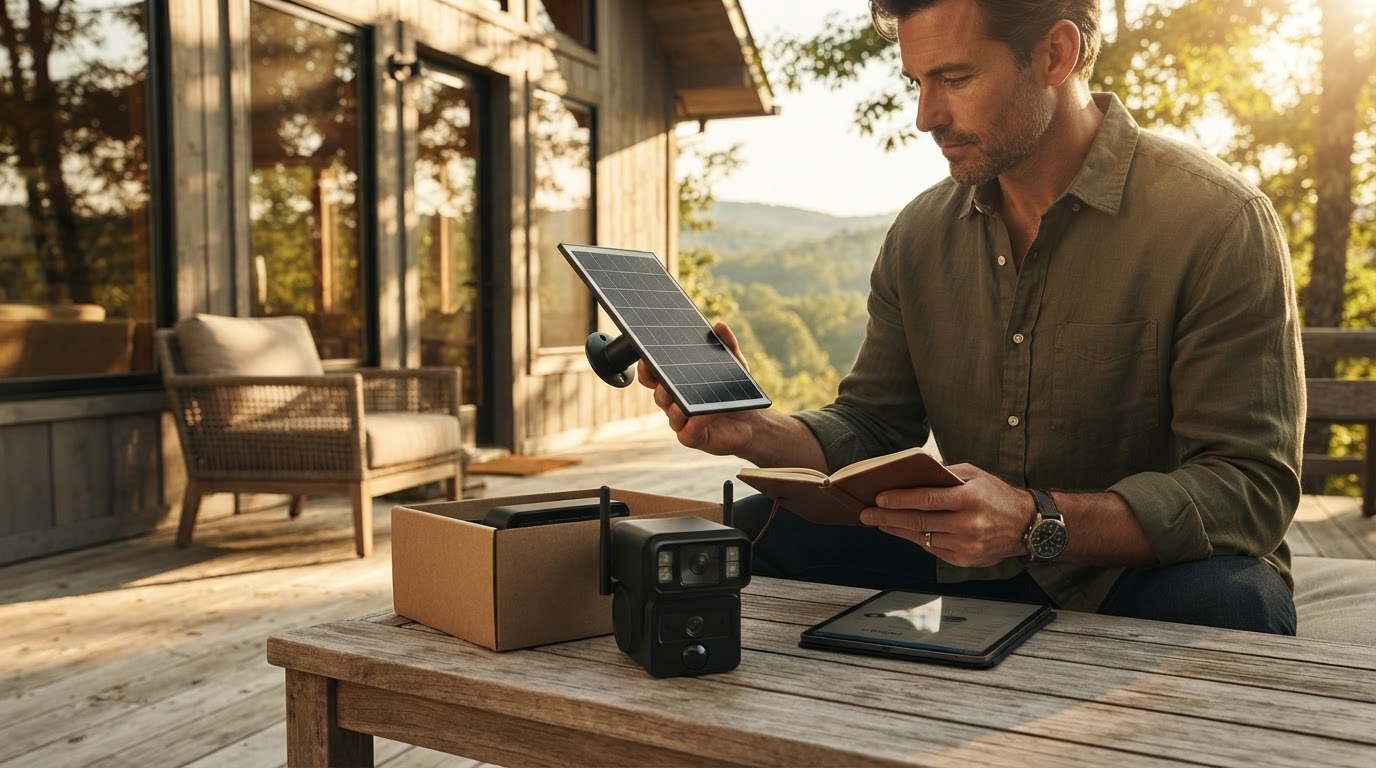
Which Solar Surveillance Camera works for remote homes?
 Priya RamanSenior Analyst
September 8, 2026 — Choosing a Solar Surveillance Camera for remote residential locations requires balancing energy harvest efficiency against the specific data transmission protocols available at the site.
Property owners managing remote acreage or vacation homes often face a lack of traditional infrastructure, making the selection of a security solution a high-stakes technical decision. The primary challenge lies in ensuring that the hardware can maintain an active state during periods of low solar irradiance while providing a reliable stream of data across distances where standard routers cannot reach. Once you see it this way, the selection process shifts from a search for features to a search for environmental compatibility.
Think of it as a matrix of power availability and connectivity reach. Two axes matter here: the average daily peak sun hours (PSH) and the cellular versus local networking landscape of the property.
How does connectivity impact remote Solar Surveillance Camera use?
The decision rule for remote connectivity is determined by the distance from the nearest internet gateway and the availability of cellular signals. In remote areas where residential Wi-Fi signals degrade over distance, a Solar Surveillance Camera must often rely on integrated cellular modules to transmit alerts and footage.
Research into network standards indicates that 4G LTE-enabled devices can maintain high-definition video transmission even in areas where physical cabling is non-existent, provided there is a minimum of two signal bars from a local carrier. For properties that lack any internet infrastructure, understanding [how a no-wifi solar security camera operates](/blog/no-wifi-solar-security-camera-faq) is essential for maintaining site visibility. When a standard router is out of range, the [4G LTE Solar Surveillance Camera connectivity framework](/blog/4g-lte-solar-surveillance-camera-connectivity-framework) provides the necessary bridge to the cloud, allowing for real-time monitoring from a smartphone or central station regardless of the physical distance from a hub.
What power specifications are required for remote locations?
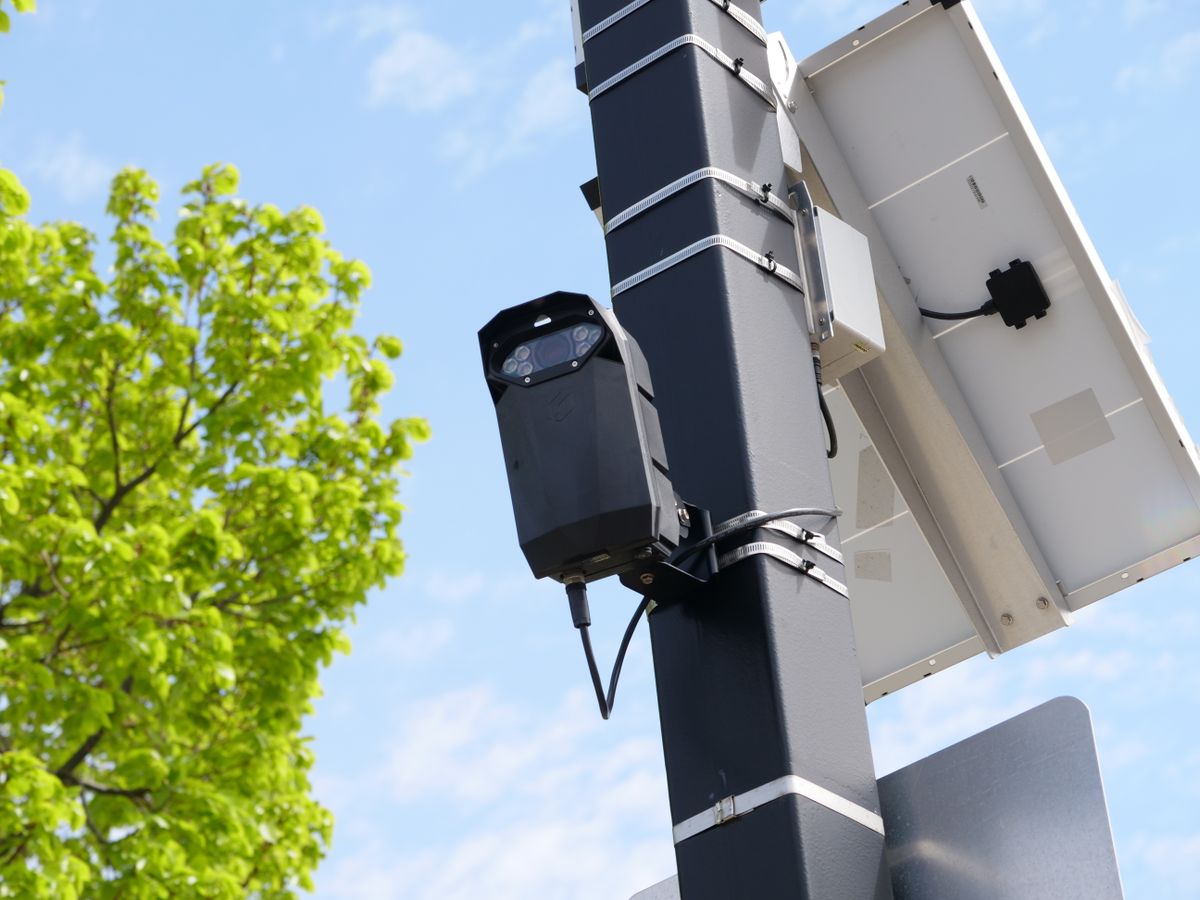
Photo by Giant Asparagus on Pexels
A Solar Surveillance Camera for a remote home must have a battery capacity that exceeds five days of standby time to account for extended cloud cover or winter conditions. This ensures that the system remains functional during weather events that temporarily reduce the efficiency of the photovoltaic panels.
Technical specifications for high-performance units typically include a high-capacity lithium-ion battery pack paired with a monocrystalline silicon solar panel, which offers a conversion efficiency rate of approximately 20% or higher. In many isolated environments, a 4G LTE solar camera for remote areas is the preferred hardware because it balances power-hungry cellular transmissions with aggressive sleep modes triggered by PIR (Passive Infrared) motion sensors. This energy-saving architecture allows the device to remain dormant until movement is detected, preserving the battery for critical events rather than wasting power on continuous recording of empty space.
Quick answers
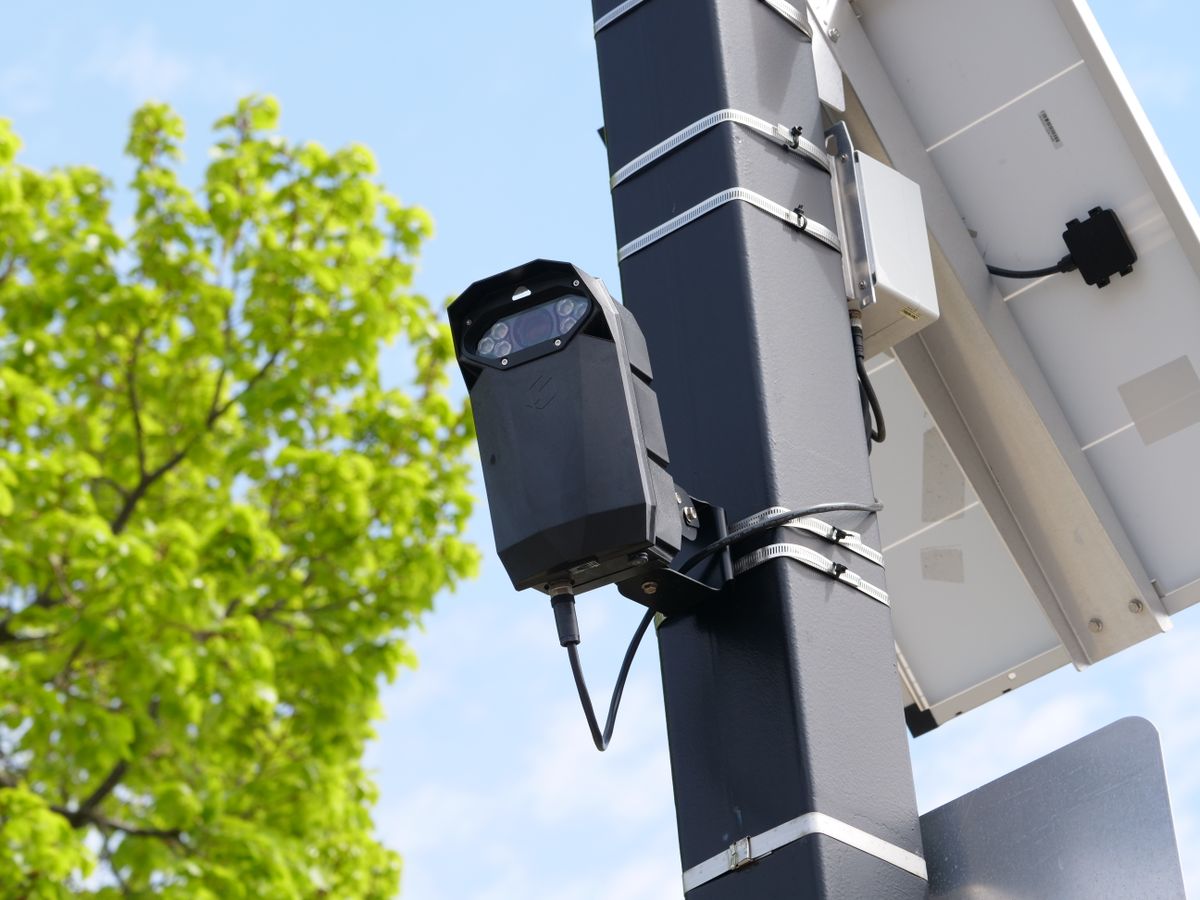
Photo by Giant Asparagus on Pexels
Q: Can a solar camera work in a forest or shaded area? A: A Solar Surveillance Camera requires at least 4 to 6 hours of direct sunlight daily to maintain a full charge; if the location is heavily shaded, the solar panel must be detached and mounted in a clear spot using an extension cable of up to 10 or 15 feet.
Q: What happens if the cellular signal is weak at a remote house? A: If the signal strength is below -100 dBm, the Solar Surveillance Camera may experience latency or failed uploads; in these cases, a high-gain external antenna can be used to boost reception.
Q: How much data does a remote solar camera use per month? A: On average, a camera triggered 10 to 15 times per day for short clips will consume between 1GB and 3GB of data per month, depending on the resolution settings and compression used.
Q: Are these cameras weather-resistant enough for harsh winters? A: Most professional-grade units are rated IP65 or IP66, meaning they are dust-tight and protected against powerful water jets, and can typically operate in temperatures ranging from -20°C to 50°C.
Learn more about Solar Surveillance Camera at https://solarsurveillancecam.com.