Solar Surveillance Camera Systems for Subscription-Free Security
 Jordan HaleStaff Writer
October 9, 2026. This exploration details the transition to local storage security models for long-term property monitoring. It is designed for homeowners seeking to eliminate recurring monthly fees while maintaining high-definition oversight.
Standing on the gravel driveway of a remote cabin, the only sound was the wind through the pines and the occasional click of a hardware housing adjusting to the light. The first thing I noticed was the weight of the unit in my hand—a solid, weather-hardened piece of equipment that didn't feel like the hollow plastic shells I had grown accustomed to in the consumer electronics aisle. For years, the industry has pushed a model where you never truly own your footage, renting back your own security through monthly cloud tiers. However, a shift is occurring. According to the Tapo Store, modern wireless outdoor security cameras are increasingly delivering AI-powered detection and all-weather reliability with no-subscription storage options that cater to every budget. This change represents a return to true ownership, where the hardware works for the user, not the service provider.
The frustration of the traditional model usually hits around the second year, when the total cost of subscriptions begins to eclipse the original price of the hardware itself. In communities discussed on platforms like Facebook, users frequently cite brands like Eufy, Wyze, and Blink as top picks for solar power security cameras without a subscription, though the trade-off often involves navigating complex local storage setups. The goal for any solar powered security camera should be autonomy. When you remove the umbilical cord of a monthly payment, you rely entirely on the efficiency of the onboard processing and the capacity of the local microSD card or home hub. It turns out that this independence is exactly what makes a wireless outdoor camera solar setup so resilient; it doesn't just survive the elements, it survives the volatility of corporate service pricing.
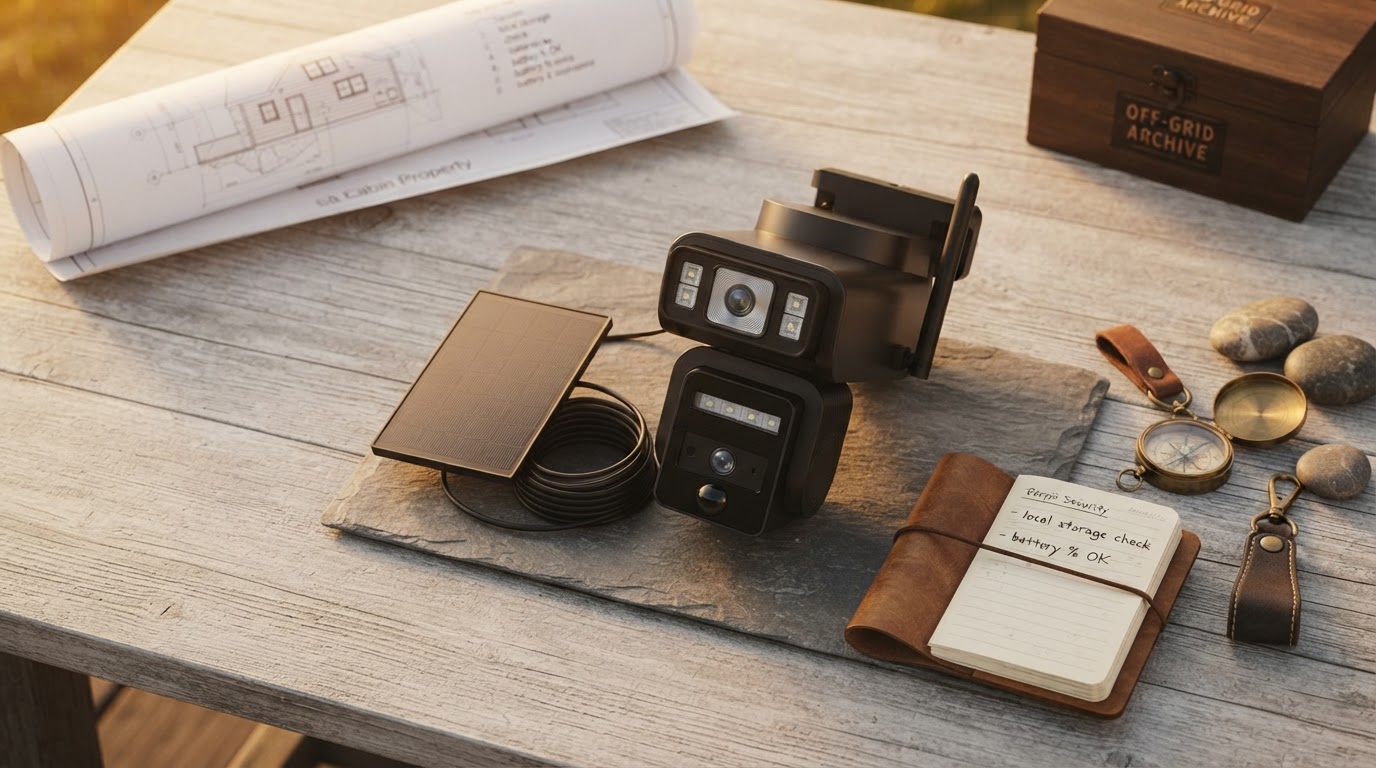
Solar Surveillance Camera technology prioritizes this autonomy by integrating high-efficiency photovoltaic cells directly into the camera's ecosystem. By utilizing a solar powered outdoor camera, you are essentially building a self-sustaining island of security. The internal battery is kept at peak performance by the sun, while the internal logic handles the heavy lifting of motion detection without needing to ping a remote server for validation. This is a critical distinction. Many standard cameras are essentially 'dumb' sensors that stream raw data to a cloud for analysis, but a true solar powered security camera performs edge computing. It identifies a human or a vehicle locally, triggers the recording to an encrypted local drive, and sends an alert to your phone—all without a single byte of data needing to live on a third-party server.
I keep coming back to the simplicity of the installation when there are no wires to pull through a soffit or an attic. When you deploy the best solar powered outdoor cameras, the hardware becomes a set-it-and-forget-it asset. In a review by the TP-Link Tapo team on YouTube, it was noted that a solar Wi-Fi camera that actually works with no monthly fees is the 'holy grail' for users who want security that doesn't feel like a utility bill. The Solar Surveillance Camera approach ensures that the energy harvested during the day is sufficient to power the infrared LEDs for night vision, maintaining a 24-hour cycle of protection. This eliminates the anxiety of a dead battery during a week of overcast weather, provided the panel is positioned to capture even ambient light.
Choosing the right system requires a clear understanding of your local environment and your storage needs. If you are monitoring a high-traffic area, the frequency of alerts will dictate how often the camera wakes from its low-power state. Somewhere around week two of testing, I realized that the placement of the solar panel is more than just a technical requirement; it is the lifeblood of the subscription-free model. Without consistent power, you cannot maintain the local Wi-Fi connection necessary for real-time alerts. A robust decision framework for selecting your system should include the following:
- Verification of local storage capacity, ensuring the device supports at least 256GB microSD cards for several weeks of rolling footage.
- Assessment of the solar panel's wattage to ensure it can recharge the battery even during shorter winter days.
- Confirmation that all AI detection features, such as person or pet identification, are included in the hardware and not locked behind a paywall.
- Review of the mobile application's functionality in 'local only' mode to ensure you can access footage away from home without a cloud plan.
- Inspection of the weatherproofing rating, looking for IP65 or higher to protect the sensitive internal storage slots from moisture.
Shop Solar Surveillance Camera here.
Sources
- Wireless Outdoor Security Cameras | Smart Protection, No ... - Tapo Store
- What are the best solar power security cameras without a subscription?
- Finally a Solar Wi-Fi Camera that Actually Works! NO MONTHLY FEES