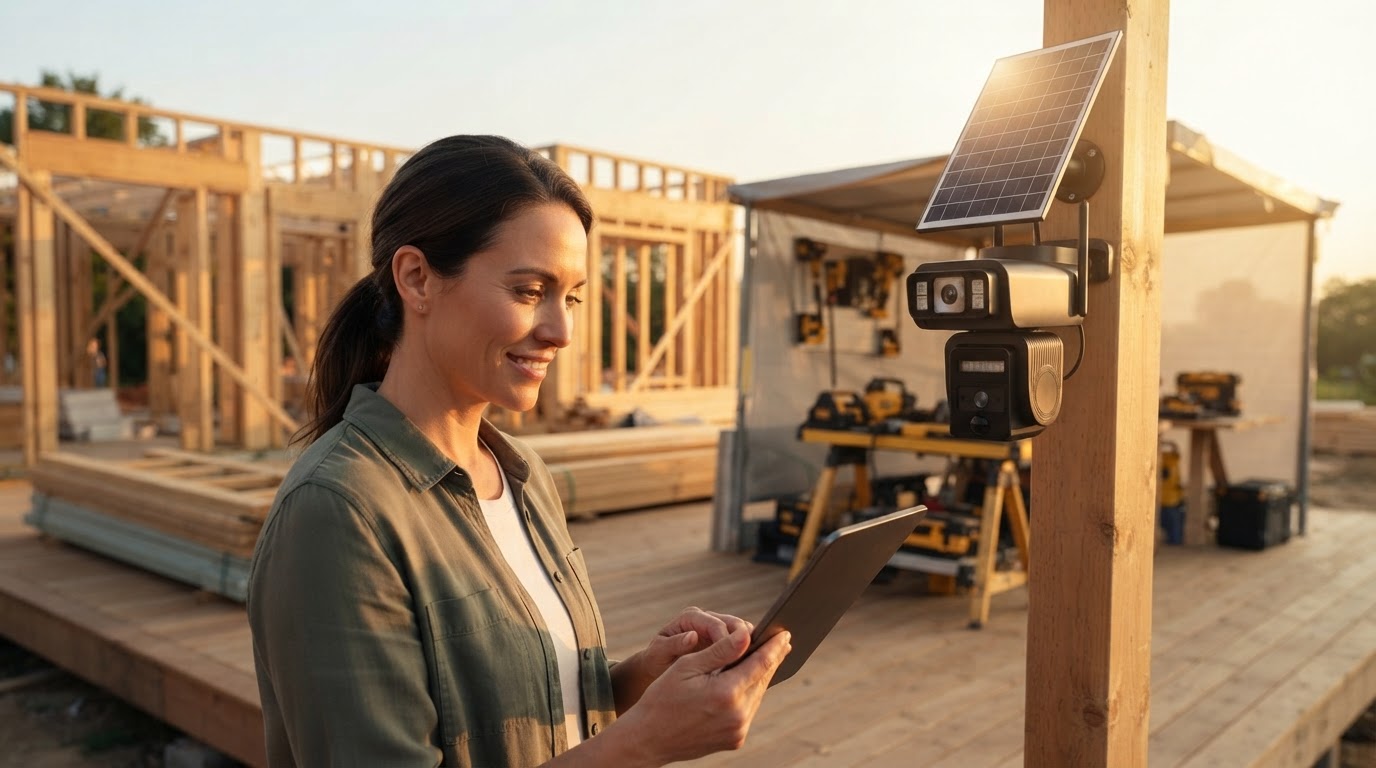
Solar Surveillance Camera for Construction Site Monitoring
 Jordan HaleStaff Writer
September 10, 2026. This guide explores the strategic deployment of solar-powered monitoring systems to protect high-value equipment on active build sites. It is written for project managers and developers looking to mitigate theft and track project milestones without traditional infrastructure.
Standing on the edge of a new foundation last Tuesday, the air smelled of wet concrete and diesel exhaust. The first thing I noticed was the absolute silence of the power grid—or rather, the lack of one. When a site is in its infancy, there are no outlets, no router signals, and no easy way to keep an eye on the thousands of dollars in copper piping and machinery left overnight. According to OxBlue, many project leads now utilize solar-powered construction cameras to not only track progress but also create marketing materials through time-lapse photography and remote jobsite viewing. Without these autonomous systems, security often defaults to expensive physical patrols or vulnerable, battery-drained devices that fail exactly when you need them. The challenge is constant: how do you maintain a 24/7 watchful eye when the nearest power pole is a quarter-mile away and the terrain changes every time a bulldozer moves? This is where the specialized utility of a solar surveillance camera for boat dock or a rugged jobsite unit becomes the only viable solution for off-grid protection.
It turns out that the most effective way to manage these fluid environments is through integrated 4G LTE and high-capacity solar arrays. Reolink notes that their jobsite security cameras, specifically models like the Reolink Go PT Ultra, are engineered to operate in locations like oil fields and construction zones where wired internet is nonexistent. When I set up a similar solar ptz camera outdoor last month, the ability to pan and tilt remotely from a smartphone changed how I viewed site management. On a construction site, you aren't just looking for intruders; you are verifying deliveries and ensuring safety protocols are followed. Buildcam emphasizes that these systems must be rugged and weatherproof to withstand the grit and vibration of a working site. Unlike a solar powered trail camera for security, which is excellent for discreet perimeter monitoring, a dedicated construction setup often requires the height of a telescopic mast or a stationary pole mount to get a bird’s-eye view of the entire footprint. The continuous trickle-charge from the sun ensures that even during a week of overcast skies, the internal batteries maintain enough overhead to keep the LTE link active and the sensors primed.
Somewhere around week two, I realized that the value of these cameras isn't just in the hardware, but in the placement strategy. When you are deciding on a framework for your site, you have to account for the sun's trajectory just as much as the entry gates. A solar surveillance camera is only as good as its solar intake; placing a panel under the shadow of a rising elevator shaft will eventually lead to a blackout. You also need to consider the mobility of the unit. OxBlue offers mobile solar trailers and crank masts that provide the stability of a telephone pole with the flexibility to be moved as the build progresses. I keep coming back to the idea that security should be as mobile as the equipment it protects. If you are integrating these into your workflow, follow this framework:
- Verify 4G LTE signal strength at the specific mounting height before permanent installation.
- Position solar panels facing true south (in the northern hemisphere) with a 30-to-45-degree tilt to maximize winter sun exposure.
- Use high-capacity SD cards or cloud storage to ensure footage is preserved even if the network fluctuates.
- Opt for PTZ (Pan-Tilt-Zoom) functionality to cover large areas with a single device rather than multiple fixed-lens units.
- Ensure the housing is rated at least IP65 to handle the dust and pressure-washing common on industrial sites.
- Check the battery backup specifications; look for systems that offer at least 5 days of reserve power for extended storms.
Sources
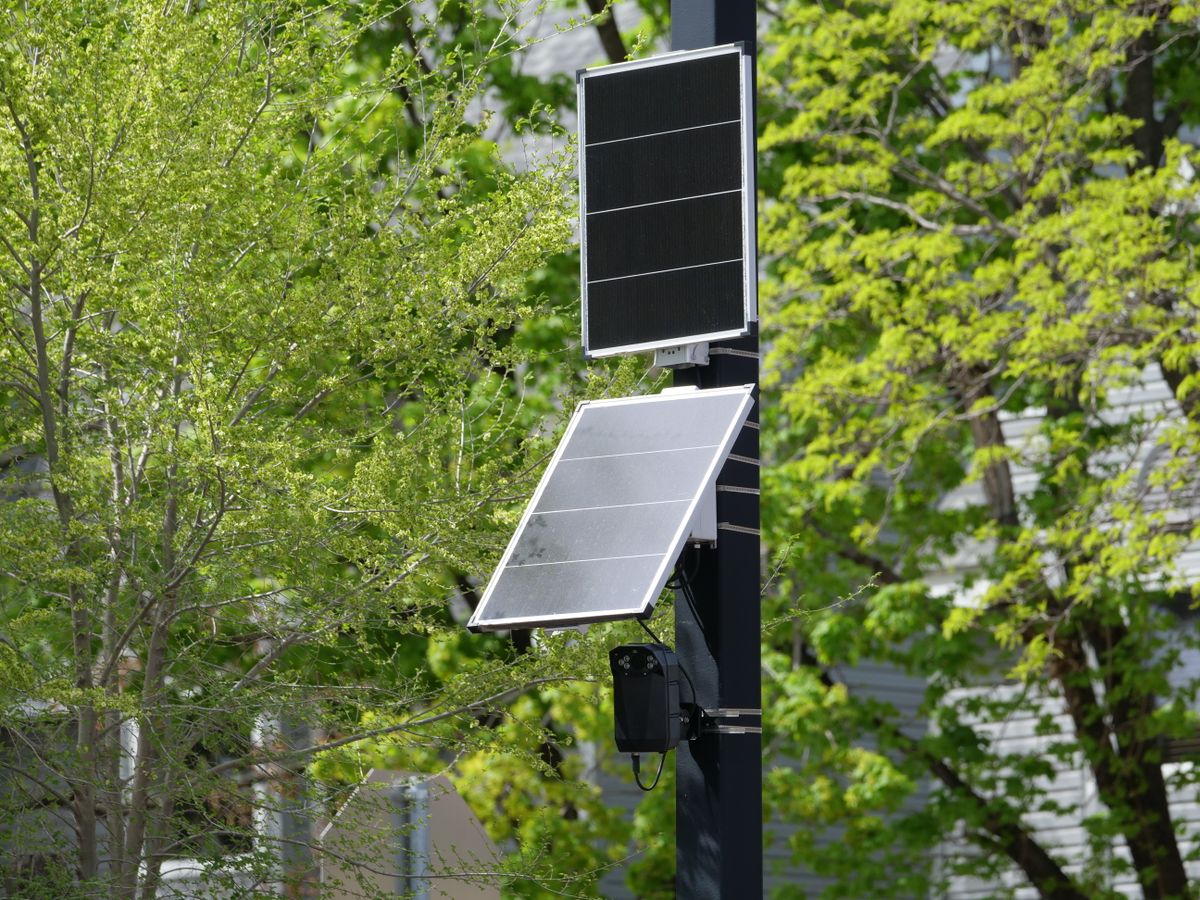
Photo by Giant Asparagus on Pexels
- Solar-Powered Construction Cameras - Buildcam
- Jobsite Security Camera for Construction Sites | Reolink US
- Solar Powered Construction Cameras