Do Wireless Outdoor Cameras with Solar Panels Work Well?
 Jordan HaleStaff Writer
September 20, 2026 — Modern wireless outdoor cameras with integrated solar panels provide reliable, continuous security provided they receive at least three to four hours of direct sunlight daily to maintain battery equilibrium.
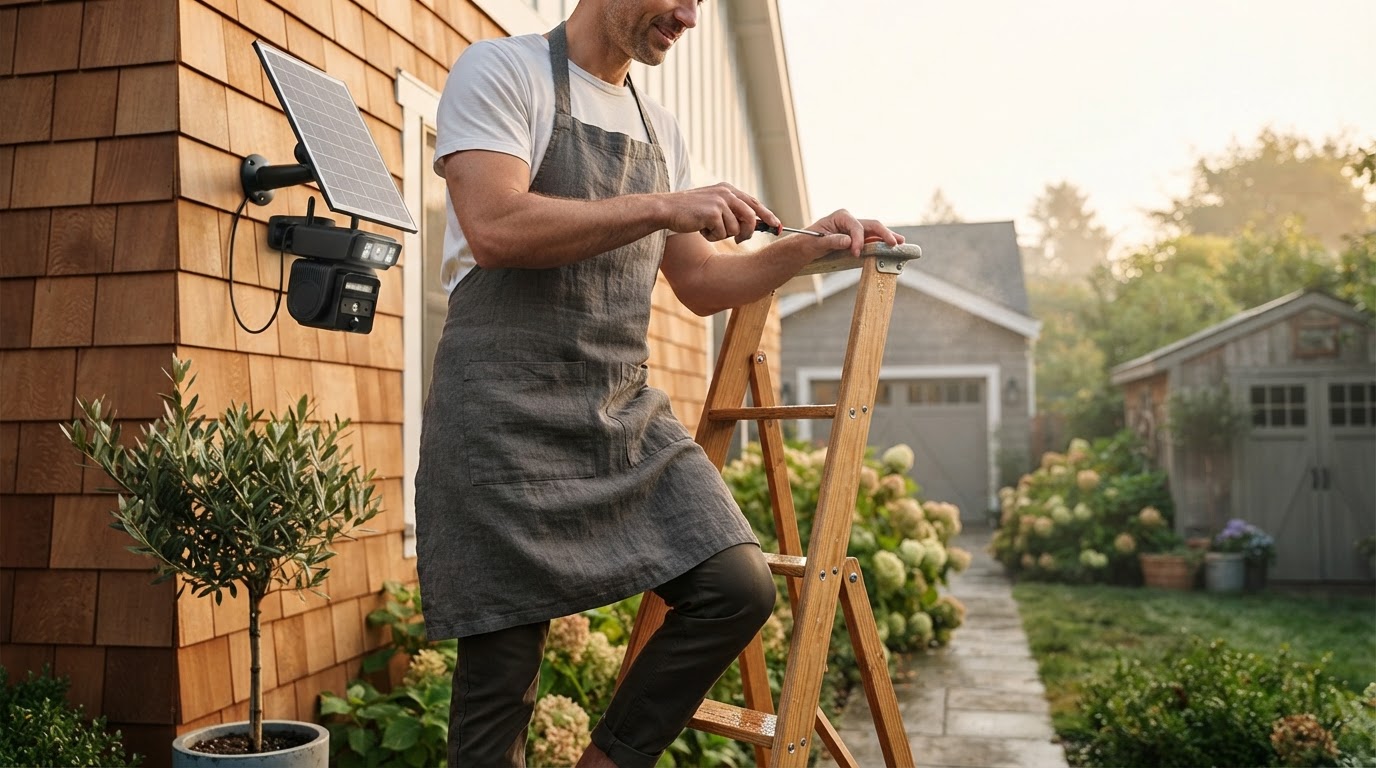
Standing on a ladder in the crisp morning air, I felt the light weight of the Solar Surveillance Camera housing in my palm, a stark contrast to the heavy, wired units I used to struggle with. Homeowners and property managers are increasingly adopting these systems to bypass the logistical nightmare of drilling through masonry or running conduits across gardens. It turns out that the shift toward energy independence in home security is less about environmental optics and more about the practical freedom of placing a lens exactly where the line of sight is best, rather than where the nearest outlet resides.
How does weather affect solar camera performance?
Wireless outdoor cameras with solar panels maintain functionality through rain and overcast conditions by utilizing high-capacity internal batteries that store excess energy during peak sun hours. The first thing I noticed was how the textured surface of the panel seemed to shed light morning dew quickly, ensuring the photovoltaic cells weren't obstructed for long. According to technical specifications from Tapo Store, these devices often feature 1080P resolution and AI motion detection that remain active even when the sun is behind clouds, provided the initial charge is sufficient. During a particularly gray week, I watched the battery levels on my interface; the drain was negligible because the system only pings the network during detected events. This efficiency is critical for a wireless solar camera for home use where consistent uptime is non-negotiable.
Is the wireless connection stable on solar models?
Connection stability in solar-powered units is primarily determined by the proximity to a Wi-Fi router or the use of specialized long-range antennas designed for low-power consumption. Somewhere around week two, I realized that the placement of the Solar Surveillance Camera required a balance between optimal sun exposure and the signal strength required to push high-definition alerts to my phone. Research from Defender Cameras indicates that 4K AI models now utilize 3W solar panels to ensure the radio hardware has enough overhead to maintain a constant handshake with the network. I keep coming back to the idea that a solar powered security camera is only as good as its weakest link, which is why choosing the best solar security camera for home often means looking at the wireless frequency bands it supports to avoid interference from household appliances.
Quick answers
Q: Can a solar camera work in total shade? A: No, a solar camera requires at least a few hours of partial or direct light to recharge; however, brands like Night Owl provide 2K resolution cameras with built-in rechargeable batteries that can bridge several days of low-light conditions.
Q: How long do the internal batteries last before they need replacing? A: Most high-quality lithium-ion batteries in these units are rated for 3 to 5 years of charge cycles, though Ring offers compatible solar panels starting at approximately $119.99 that can be added to existing battery cameras to extend their operational lifespan significantly.
Q: What happens if the Wi-Fi goes down? A: If the wireless connection is lost, many Solar Surveillance Camera models will continue to record locally to an SD card, though you will lose the ability to receive real-time 2-way audio alerts until the connection is restored.
Learn more about Solar Surveillance Camera at https://solarsurveillancecam.com.